What to Do Before Starting a Remodel: 5 Steps That Make Every Renovation Smoother

If you’re considering a remodel, it’s tempting to jump straight into paint colors, countertops, and Pinterest inspiration. But the most successful projects begin long before selections are made.
Whether you’re updating a kitchen, rethinking your living spaces, or planning a larger renovation, taking time to create a thoughtful plan upfront can save time, reduce costly changes, and help ensure your home truly supports the way you live.
Here are five steps we recommend before beginning any remodel.

1. Define Your Goals
Before discussing finishes or construction costs, start by asking yourself a few simple questions:
- What isn’t working about the space today?
- Do I need more storage?
- Do I want a space for entertaining?
- Would I like to have updated features?
- How do we want the space to feel?
- Do I want it to feel more cozy?
- Do I want to have an indoor/outdoor flow?
- How do we want to use the space differently?
- Is this a space that isn’t currently being used that could serve another purpose?
- Is there a greater need to for the space that makes more sense than the way it is being used today?
- What would make the biggest impact on our daily lives?
- Walk through your day to day to better understand where improvements can be made.
- What areas of the home could be more functional and make a bigger impact on the way the home looks and feels?
Often, homeowners begin by saying they want a new kitchen when the real issue is a lack of storage, poor traffic flow, or spaces that no longer fit their family’s lifestyle.
Understanding the “why” behind the renovation helps guide every decision that follows. List the priorities and keep them top of mind as you progress through the renovation.
Designer Tip
Create a list of your top three priorities. When budget decisions arise (and they always do) those priorities will help you determine where to invest and where to simplify.
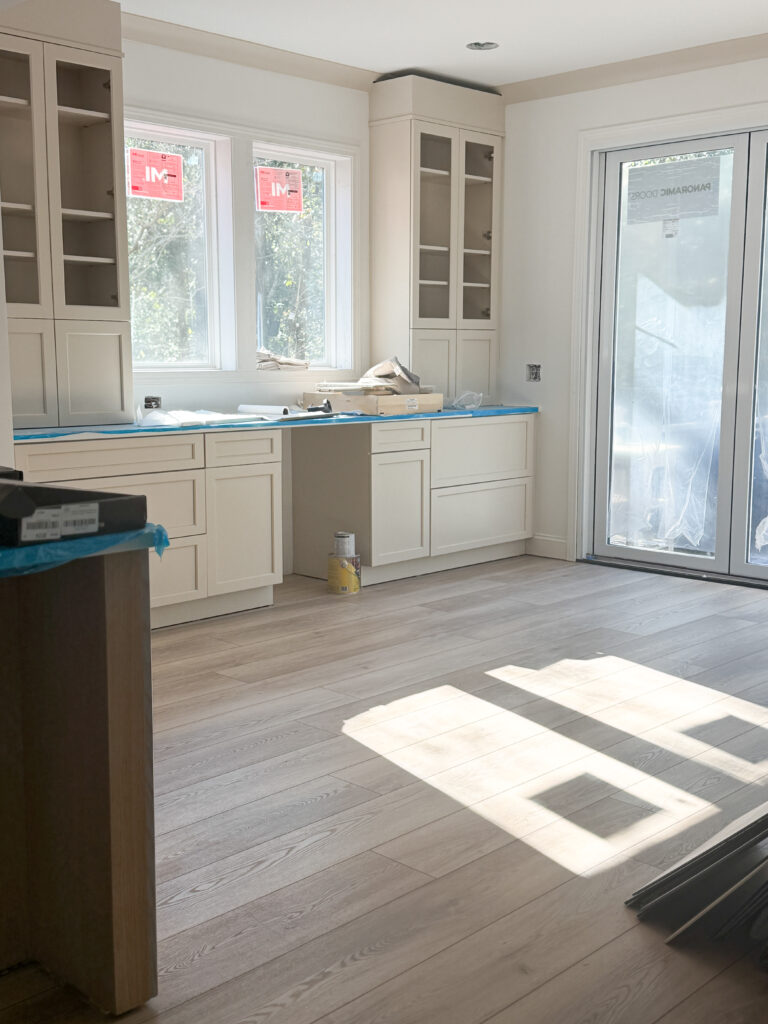
2. Establish a Realistic Budget Range
One of the biggest mistakes homeowners make is beginning design conversations without understanding the investment required.
While every project is unique, it’s helpful to establish a realistic budget range early in the process.
Your budget should consider:
- Construction costs
- Design fees
- Furnishings
- Lighting and decorative elements
- Contingency funds for unexpected discoveries
Having a budget framework doesn’t limit creativity, it allows your team to design solutions that align with your goals from the beginning.
Designer Tip
Rather than asking, “How much will this cost?” consider asking, “What can we accomplish within this investment range?”
That shift often leads to more productive conversations and better outcomes. We usually recommend doing a smaller area in order to be able to get a space fully done versus spreading your budget too thin across many areas and not having any of it fully done.
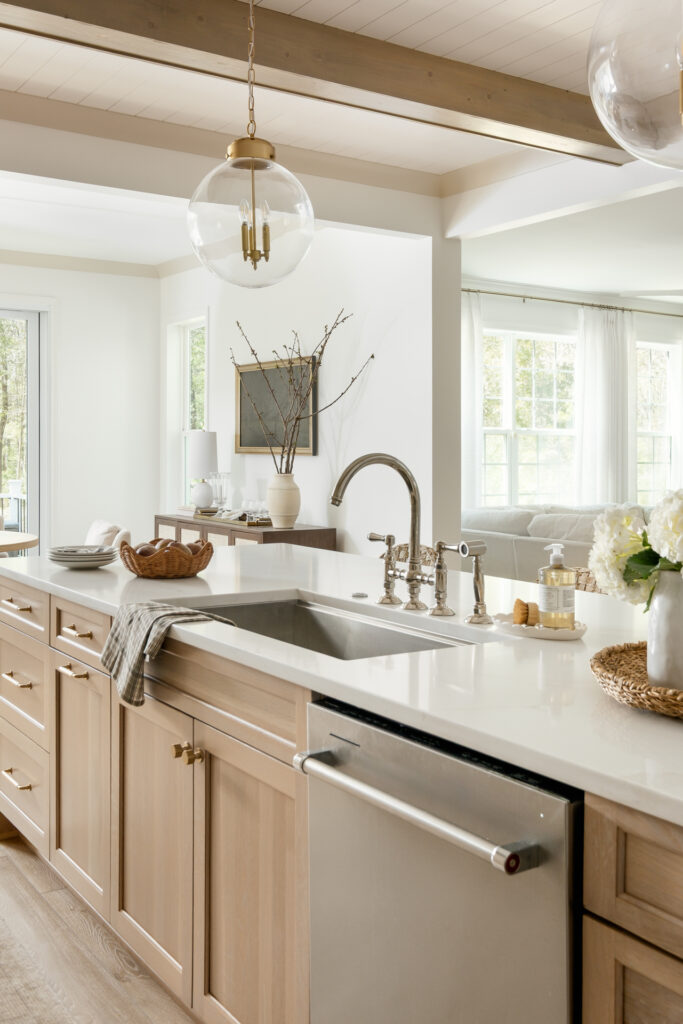
3. Assess Layout and Function First
Beautiful finishes can’t solve a layout problem.
Before selecting materials, evaluate how your home functions.
Ask questions like:
- Does the current layout support daily life?
- Are there bottlenecks or underutilized spaces?
- Is storage adequate?
- Are rooms connected in a way that makes sense?
In many projects, the most impactful changes are not decorative at all. They involve improving circulation, creating better sightlines, adding storage, or rethinking how spaces connect.
The goal is to create a home that works beautifully before it looks beautiful.
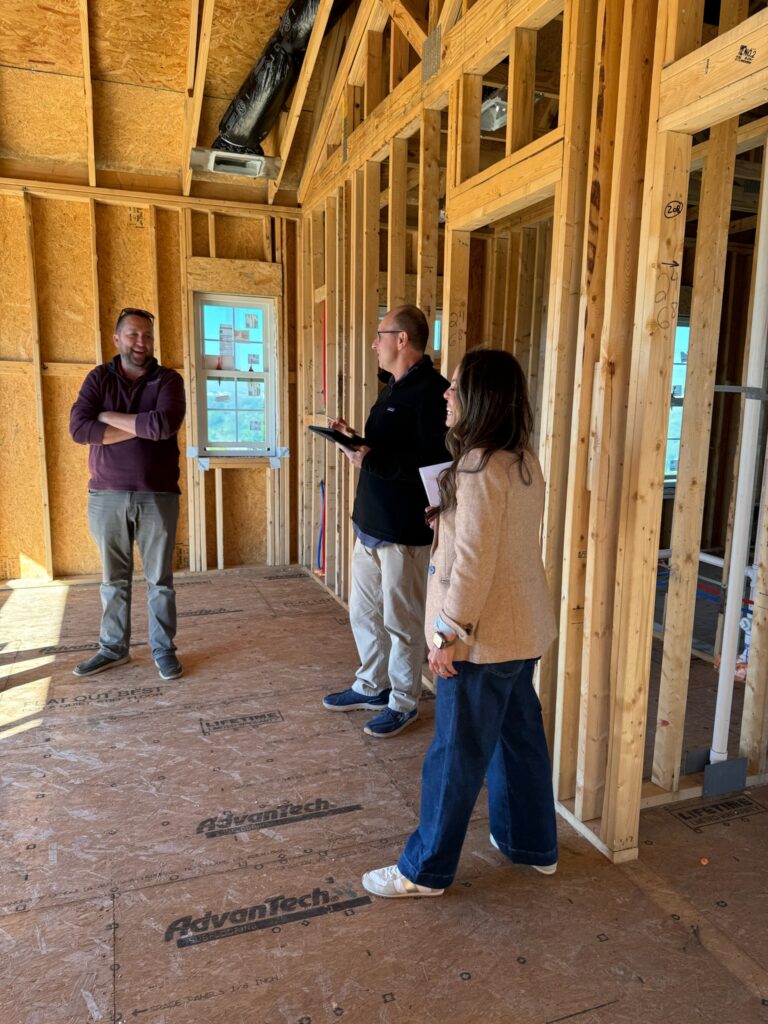
4. Build the Right Team
A successful renovation requires collaboration.
Depending on the scope of your project, your team may include:
- Interior Designer
- Architect
- Builder or General Contractor
- Structural Engineer
- Specialty Trades
Bringing the right professionals together early helps avoid miscommunication and ensures everyone is working toward the same vision.
One of the greatest benefits of involving a designer early is that key decisions can be made before construction begins, reducing costly revisions later.
Designer Tip
If you’re interviewing contractors before developing a design plan, you may be pricing a project that hasn’t been fully defined yet. Establishing the vision first often leads to more accurate bids and smoother execution.
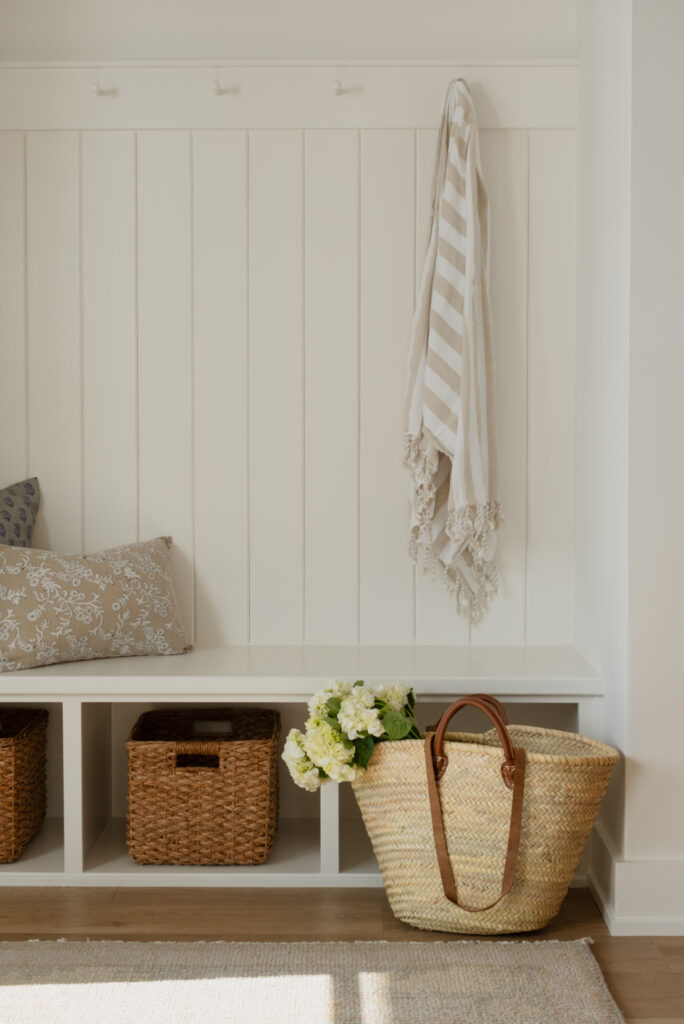
5. Make Architectural Decisions Before Selections
This is where many homeowners get stuck.
They begin choosing tile, countertops, lighting, and paint before deciding on the larger architectural elements that shape the home.
Architectural decisions may include:
- Layout modifications
- Ceiling treatments
- Custom millwork
- Built-ins
- Fireplace design
- Trim details
- Cabinetry configuration
- Door and window modifications
These decisions create the foundation for everything that follows.
Once the architectural framework is established, selections become easier because they support a clear vision rather than trying to create one.
In our experience, the homes that feel most timeless and cohesive are the ones where architectural planning happened first.

A successful remodel isn’t about making hundreds of decisions.
It’s about making the right decisions in the right order.
By defining your goals, establishing a budget, evaluating function, building the right team, and prioritizing architectural planning, you’ll create a stronger foundation for every step that follows.
If you’re considering a renovation and aren’t sure where to begin, we’d love to help guide the process. Our full-service design approach helps homeowners move from ideas to execution with clarity, confidence, and a thoughtful plan tailored to the way they live.
Ready to start the conversation? We’d love to hear about your project. Reach out here to get started.